Catherine's Detention and Forced Marriage
Wuthering HeightsCatherine's Detention and Forced Marriage is the pivotal event in the second generation of Wuthering Heights, in which Heathcliff traps his niece Catherine Linton at Wuthering Heights and compels her to marry his dying son, Linton Heathcliff. This act of legal and physical coercion secures Heathcliff's control over both the Earnshaw and Linton fortunes, reduces Catherine to a captive and then a widow, and sets the stage for the novel's final reckonings. It is the culmination of Heathcliff's revenge, transforming the Gothic novel's themes of love and haunting into a stark drama of property, law, and power.
The Trap at Wuthering Heights
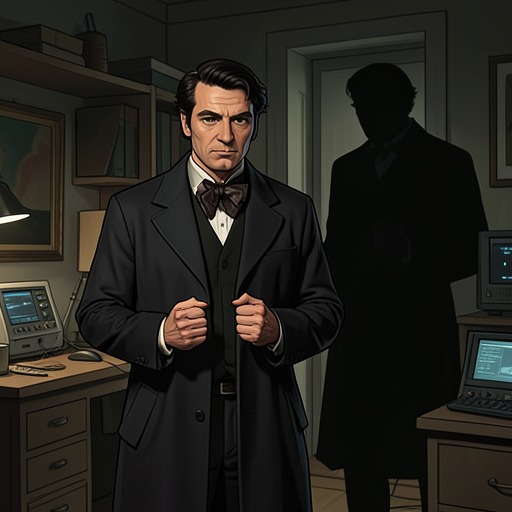
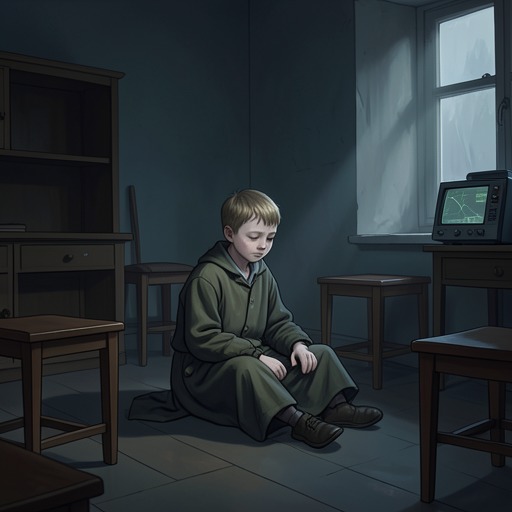
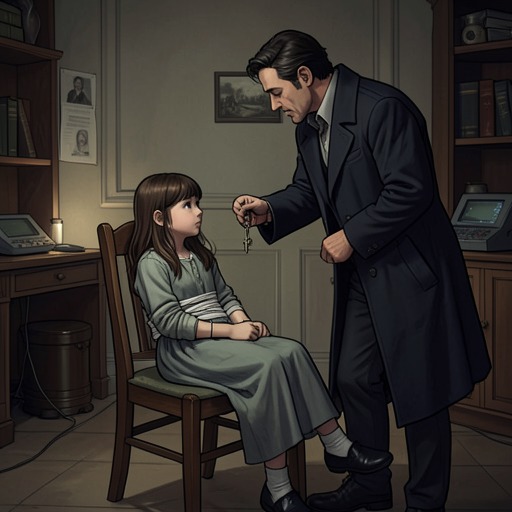
The event begins with a calculated deception. Linton Heathcliff, frail and terrified, is sent by his father to lure Catherine Linton across the moors to Wuthering Heights. He clings to his cousin with a frantic importunity that admits no denial, and Catherine, moved by his evident dread, accompanies him inside. Ellen Dean, who has followed, is pushed through the threshold by Heathcliff, who exclaims that his house is not stricken with the plague and that he has a mind to be hospitable. He then shuts and locks the door, trapping them all. Heathcliff reveals that Hareton is gone with cattle to the Lees, and Zillah and Joseph are off on a journey of pleasure, leaving him alone with his prisoners. He tells Catherine to take her seat by Linton, offering his son as a present, and confesses a savage feeling toward anything that seems afraid of him, musing that had he been born where laws are less strict, he would treat himself to a slow vivisection of the two as an evening's amusement.
The Revelation of the Forced Marriage
Once inside, Linton's terror subsides, and he reveals the plot. He tells Catherine that his father wants them to be married, knowing her own father would never permit it, and that he is afraid of Linton dying if they wait. The marriage is to take place the next morning, and Catherine is to stay the night. Ellen Dean is horrified, calling Linton a pitiful changeling and a little perishing monkey, and shaking him for his treachery. Catherine, weeping, pleads with Heathcliff to let her go home, promising to marry Linton willingly, since her father would like it and she loves him. Heathcliff refuses, declaring that he will enjoy himself remarkably in thinking her father will be miserable, and that he shall not sleep for satisfaction. He tells her that she could have hit on no surer way of fixing her residence under his roof for the next twenty-four hours than informing him that such an event would follow. He vows to take care that she keeps her promise, for she shall not quit the place until it is fulfilled.
The Legal Machinery of Oppression
The forced marriage is not merely an act of personal cruelty but a legal maneuver rooted in the novel's pervasive property struggles. Heathcliff's power over the Earnshaw estate was already established through debt: Hindley Earnshaw had mortgaged every yard of land he owned for cash to supply his mania for gaming, and Heathcliff was the mortgagee. This left Hareton, who should have been the first gentleman in the neighbourhood, reduced to a state of complete dependence on his father's inveterate enemy, living in his own house as a servant. The lawyer had advised that the sole chance for the natural heir was to allow him an opportunity of creating some interest in the creditor's heart. Now, Heathcliff extends this logic to the Linton fortune. Edgar Linton, divining that one of his enemy's purposes was to secure the personal property as well as the estate to his son, or rather himself, determines to alter his will. Instead of leaving Catherine's fortune at her own disposal, he puts it in the hands of trustees for her use during life, and for her children after her, so that it could not fall to Heathcliff should Linton die. This legal countermeasure proves futile, as Heathcliff's coercion operates outside the bounds of Edgar's protective arrangements.
Catherine's Captivity and Widowhood
After the marriage, Catherine is held at Wuthering Heights. When Edgar Linton sends four men, provided with serviceable weapons, to demand his daughter, they return unaccompanied, bringing word that Catherine is ill and too ill to quit her room, and that Heathcliff would not suffer them to see her. Ellen Dean scolds the men for listening to the tale and resolves to storm the Heights with a whole bevy at daylight. But the rescue never comes. Catherine stays upstairs for a fortnight, visited only by Zillah, whose attempts at increasing kindness are proudly and promptly repelled. Heathcliff goes up once to show her Linton's will, which bequeaths the whole of his and what had been her moveable property to his father. The poor creature had been threatened or coaxed into that act during her week's absence, when his uncle died. The lands, being a minor, Linton could not meddle with, but Heathcliff claims and keeps them in his wife's right and his also, legally. Catherine, destitute of cash and friends, cannot disturb his possession. Her first appearance downstairs is on a Sunday afternoon, donned in black, her yellow curls combed back behind her ears as plain as a Quaker, unable to comb them out. She is now a widow, Catherine Heathcliff, stripped of her inheritance and her freedom.
The Aftermath and Heathcliff's Unravelling
The event's consequences ripple through the novel's final movements. Edgar Linton, already ill, dies without seeing his daughter freed, and Catherine is left to navigate a world where her father's protective will has been circumvented. Heathcliff's triumph, however, begins to curdle. In his final days, he roams to and fro in a state approaching distraction, his heavy sighs succeeding each other so thick as to leave no space for common breathing. He tells Ellen Dean that he wishes to send for Green to make legal inquiries, as he has not written his will yet and cannot determine how to leave his property, wishing he could annihilate it from the face of the earth. He insists that it is not his fault that he cannot eat or rest, and that his soul's bliss kills his body but does not satisfy itself. The very machinery of property and revenge that he used to imprison Catherine now seems hollow. His death, which follows his refusal to eat for four days, is attended only by Hareton, the most wronged, who sits by the corpse all night, weeping in bitter earnest, pressing its hand and kissing the sarcastic, savage face that every one else shrank from contemplating. The forced marriage, which was meant to complete Heathcliff's domination, instead becomes the prelude to his dissolution, as the legal and emotional structures he built to cage others finally cage him.